A formal privet hedge may receive several trims during one growing season. Those visits maintain the established height, width, and crisp lines that make privet such a recognizable part of Hamptons landscapes. Hard cutting is another kind of project.
TB Tree Care & Associates lists formal trimming, height reduction, privet restoration, hard cutting, and gap filling as separate parts of our hedge trimming service. We also state that many formal hedges benefit from two or three trims during the growing season, depending on species and growth. Know when the crew is maintaining the existing hedge and when it is deliberately resetting part of its structure.
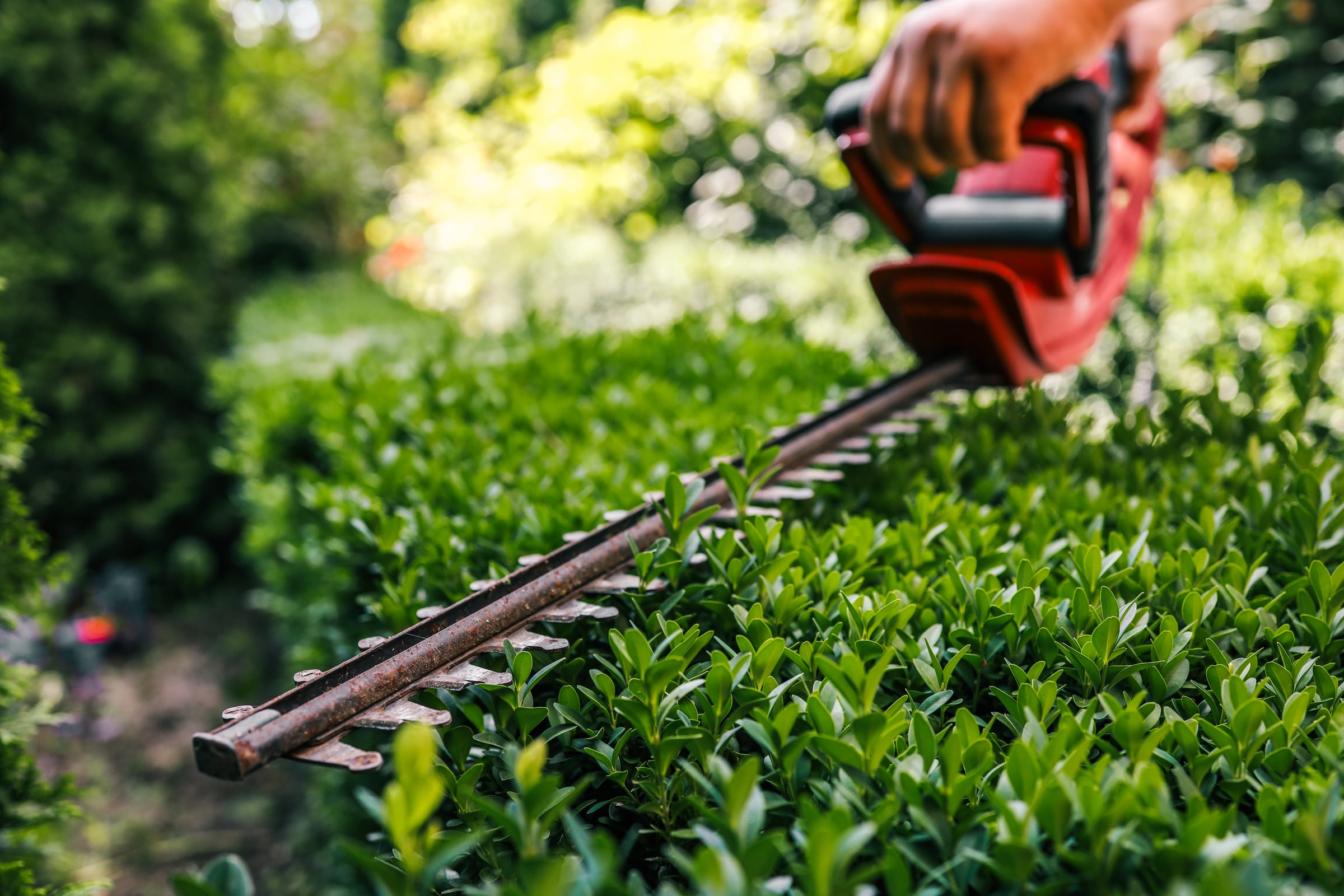
Routine trimming follows the established hedge
A seasonal trim usually works around the shape already in place. The crew may refine the top line, tighten the sides, remove the latest flush of growth, restore clearance from a path, maintain sight lines, keep the hedge within its agreed width, correct modest unevenness, and protect the formal appearance before guest periods. The hedge remains recognizably the same immediately after the work. Its underlying height, density, and woody structure are not being rebuilt. Our archive already contains extensive guidance about second privet passes, peak growth, coastal salt, guest calendars, and ordinary trimming on the blog. A restoration project should not be described as another routine pass.
Hard cutting changes the visible hedge dramatically
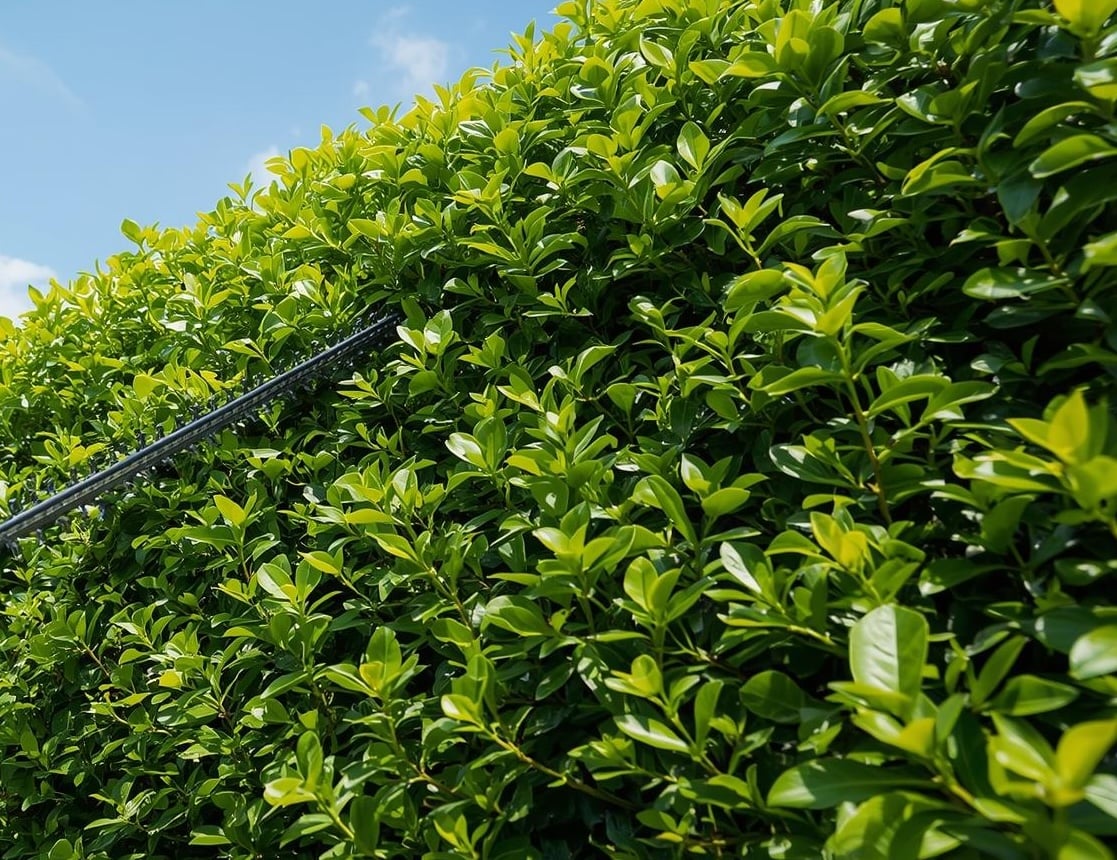
An old privet hedge may become too tall, too wide, bare at the base, hollow inside, uneven, broken by gaps, damaged by construction, competing with trees, difficult to maintain, or out of proportion with the property. Hard cutting may reduce selected stems or sections more aggressively so the plant can develop new growth from a lower or better-positioned framework. The hedge may look sparse, lower, or unfinished for a period after the work. That temporary appearance should be discussed before the project begins.
Decide which problem the restoration is solving
Restore the privet can mean several different things. The owner may want to lower the hedge, narrow it, rebuild a thin base, fill one gap, recover from salt or storm damage, correct years of uneven shearing, open a view, improve driveway visibility, reduce interference with a wall, or preserve privacy while changing scale. We should walk the entire line and label the objective by section. One portion may need routine trimming. Another may need selective height reduction. A severely overgrown section may be considered for hard cutting. Treating the whole hedge identically can create unnecessary disruption.
Evaluate plant condition before cutting
Our plant health care service includes soil analysis, nutrient review, pest and disease monitoring, amendments, seasonal care, and tree or plant assessments. Before major hedge restoration, the team may need to consider species, age, vigor, previous pruning, root-zone condition, irrigation, soil, drainage, salt exposure, insect activity, disease, construction, shade, and competition from trees. A weak hedge does not become a strong restoration candidate simply because cutting it lower would improve the view. The condition helps determine how much work can be considered and how the recovery should be monitored.
Mark the privacy that cannot disappear
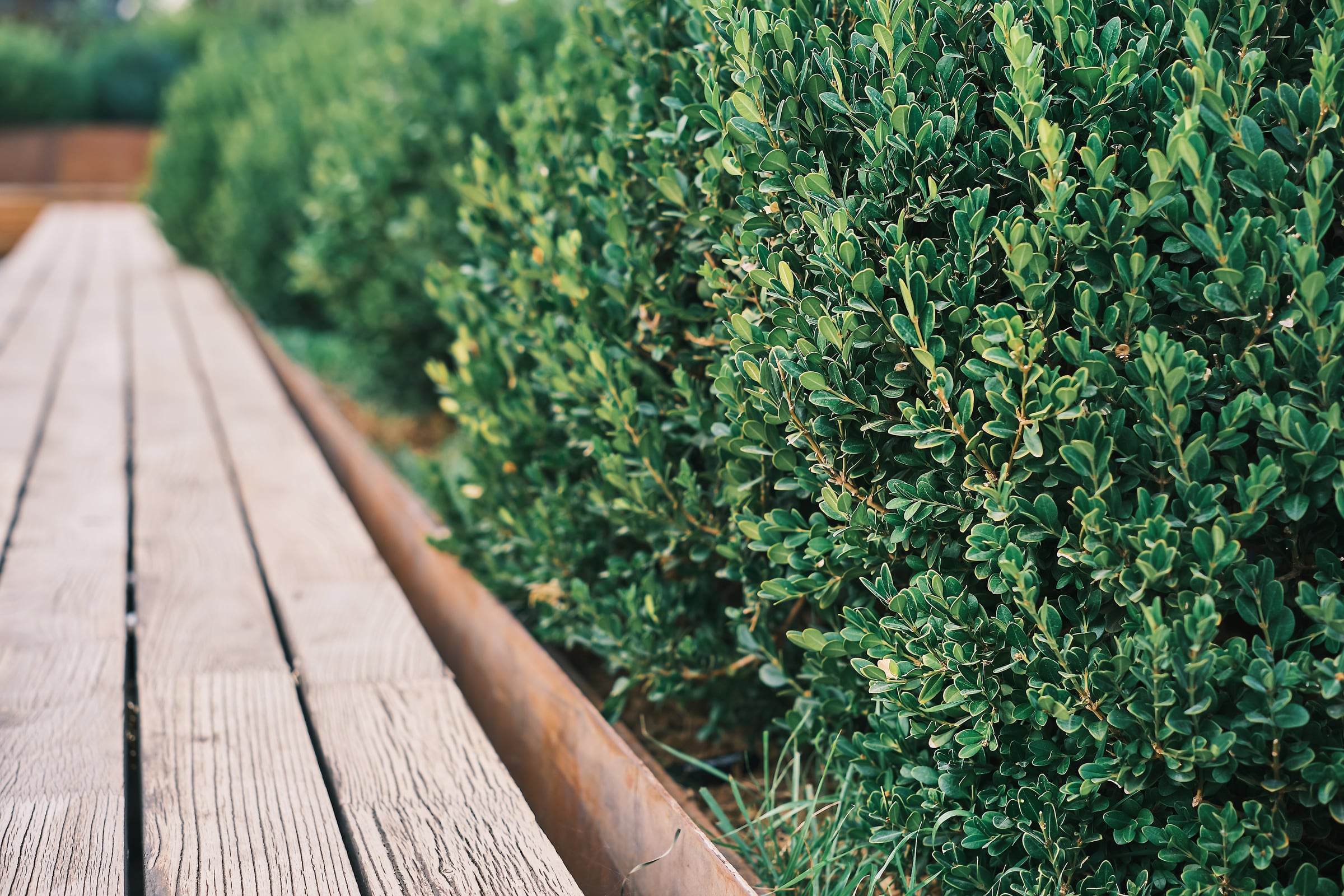
A hard cut may reveal a neighboring house, road, pool, service area, utility equipment, parking, adjacent patio, outdoor shower, guesthouse, or construction. Walk both sides of the hedge where access and permission allow. Photograph the current screening from the main house, pool, patio, bedroom, driveway, neighbor-facing side, road, and guest entrance. The owner may accept a temporary opening in one section and reject it in another. The restoration plan should follow those priorities.
Height reduction and hard cutting are not always the same
A hedge may be reduced modestly while retaining substantial foliage and form. Hard cutting can be more severe and may expose old wood or lower framework. Ask how much height is being removed, how much width is changing, which foliage will remain, whether the work is one-time or phased, how the hedge will look immediately afterward, what regrowth is expected, which sections are less likely to fill quickly, what follow-up trimming is planned, whether plant-health support is recommended, and when the hedge will return to a formal maintenance schedule. The proposal should identify the method rather than using trim hedge for every level of work. Related structural decisions on woody plants may also involve our broader pruning service when trees and hedges share the same property line.
A gap may need more than nearby branches pulled together
A hedge opening can result from a dead plant, broken stem, heavy shade, root damage, irrigation issue, soil change, vehicle impact, construction, salt exposure, repeated poor cuts, or competition from a large tree. We list gap filling within our privet restoration service. The repair plan may involve encouraging adjacent growth, changing the pruning pattern, replacing material through another approved landscape scope, or addressing the condition that caused the gap. Pulling surrounding foliage across the opening can hide the symptom without correcting the weak section. When a competing tree is part of the problem, the conversation may also include tree removals rather than forcing the hedge alone to solve an overcrowding issue.
Recovery requires another trimming style
New growth following a restoration cut should not automatically be sheared into a hard line as soon as it appears. The crew may need to allow selected shoots to extend, choose stronger framework, remove poorly positioned growth, balance density, encourage lower coverage, delay the final formal shape, adjust irrigation or plant health, and review gaps. The exact method belongs to our hedge specialists. Understand that the first regrowth is part of reconstruction, not proof that the hedge is ready for ordinary maintenance.
Coordinate irrigation and landscape work
After hard cutting, the root system remains in the same soil and irrigation environment. Tell us about the drip line, spray heads, recent repair, new bed, mulch, grade change, drainage, utility trench, wall construction, fence work, patio work, tree removal, and new lighting. A hedge restoration should not begin immediately before another contractor excavates through the root area. Our earlier guidance covered bringing the arborist into a construction project before excavation. This article applies the same coordination to a formal hedge without repeating that tree-protection topic.
Build a multi-season plan and photograph from the same positions
A practical record may move from initial assessment and privacy mapping, through the restoration cut, early regrowth, formation of stronger framework, and eventual return to scheduled formal trimming. The timing varies by plant condition, weather, species, and scope. Do not expect every old section to refill on a precise date. Take photographs before work, immediately after, at first strong regrowth, at midseason review, at the end of the season, and the following spring, using the same angles and distances. The owner can then see structural progress instead of judging the hedge from whichever side looks thinnest that day.
Learn more about us, browse the full services menu, or see our service areas. We have provided arboricultural services across the Hamptons for more than thirty years, serving properties from Westhampton through Amagansett. Call (631) 287-7125 or email office@tbtreecareassociates.com.
Considering privet restoration rather than another seasonal trim? Share photos of the hedge line, privacy priorities, and recent work, then request a consultation.
Request a Consultation